Discussions about human issues—especially psychological ones—often rely on scientific jargon. But does technical language truly help us understand and address these challenges? While formal training in counseling and psychology is valuable, not everyone has access to such resources. Moreover, in India, seeking professional counsel—especially from outsiders who analyze emotions objectively—is not a common cultural practice. Though I recognize the need for such professionals in a changing society, I believe something far more fundamental plays a role in how we navigate our struggles.
From my personal experiences and observations, relationships alone help people handle emotional, social, financial, and other human issues. Let me illustrate this with two cases—one imagined and one real.
The first is hypothetical but deeply relatable. Imagine a man meeting his girlfriend after she has waited for him. When she asks, “Why are you late?” he responds with a romantic and reassuring tone. His words soothe her, deepening their bond. Now, fast forward a few years into their marriage. When the same woman, now his wife, asks the same question, he reacts—this time with irritation or frustration. The question is unchanged. The individuals remain the same. Yet, the emotional tone shifts depending on their relationship. His inner voice might grumble, “I was eager to see you, and now I’m paying the price for it!” The wife, intuitively picking up on his irritation, reacts accordingly, escalating the moment.
Now, a real-life case. On December 24th, I visited Prasad’s family. He was my beloved disciple—the only one who never argued with me but obeyed without question. He passed away in 2006 in a car accident, in which I and several of his family members were also injured. When I met his mother, she expressed her condolences for my own mother’s passing in 2022. As we spoke, emotions overwhelmed me, and I could no longer hold back my tears. Gently rebuking me—as is every woman’s prerogative—she said, “You are a sannyasi, giving advice to so many people. You know well that death is inevitable and that she won’t return…” But I did not respond. I simply continued to sob.
Later, over a cup of tea, our conversation shifted to her own family struggles. When we spoke of Prasad, she could no longer contain her grief. As he was her eldest son, the loss was immeasurable. This time, did I offer her the same advice she had given me? No. I simply sat beside her, shedding silent tears. I did not speak—I let her cry. And in that shared silence, she understood.
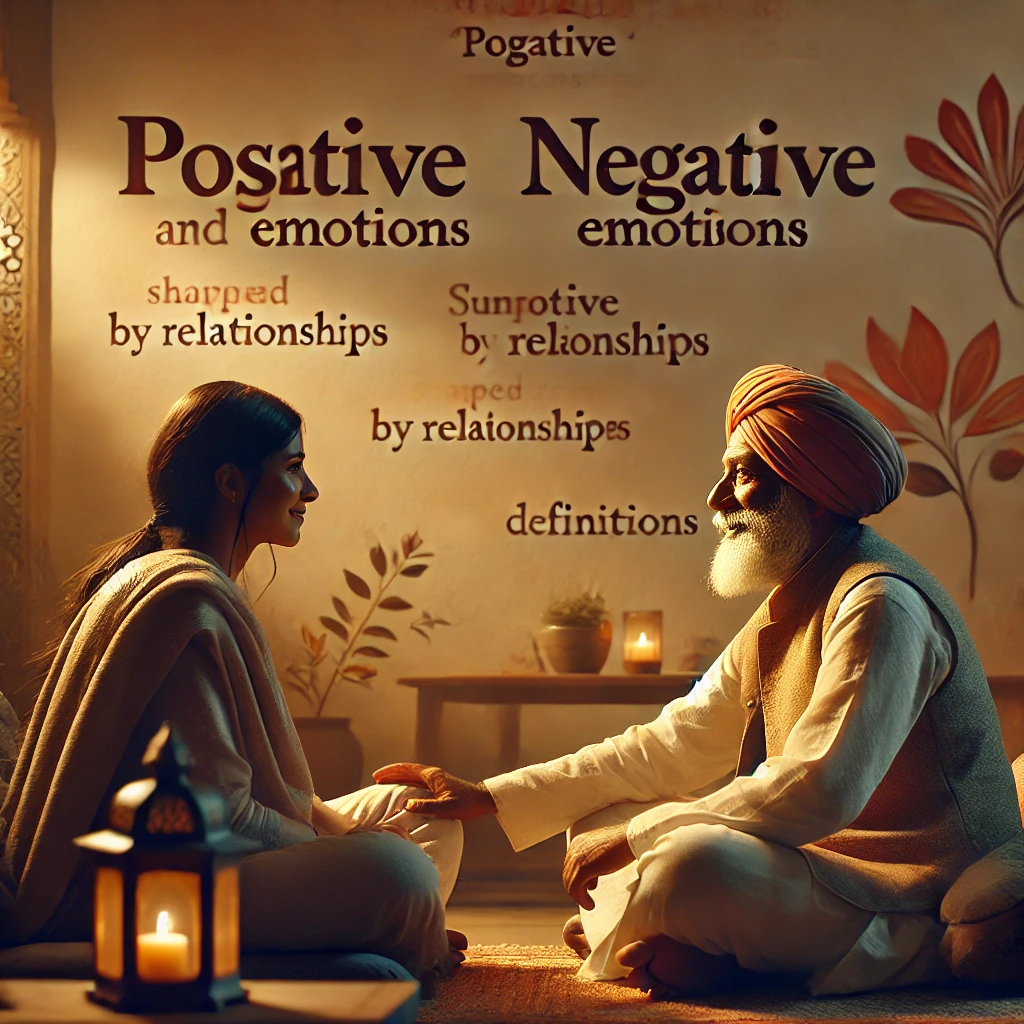
The point is this: there are no inherently positive or negative emotions. There is only one emotion—our own. It becomes positive or negative based on how it is received, shaped by the depth of our relationships. Labels, theories, and technical jargon may have their place in academic discussions, but real human psychology is not built on classifications—it is built on relationships.
If others disagree, that’s fine. Let’s agree to disagree—not through technical terms, but through the strength of our relationships.
Delhi, 26-2-2025
संबंध, न कि लेबल, हमें परिभाषित करते हैं
[Translated by ChatGBT]
मानव समस्याओं—विशेष रूप से मानसिक और भावनात्मक मुद्दों—पर चर्चा अक्सर वैज्ञानिक शब्दजाल में की जाती है। लेकिन क्या तकनीकी भाषा वास्तव में हमें इन चुनौतियों को समझने और सुलझाने में मदद करती है? परामर्श और मनोविज्ञान में औपचारिक प्रशिक्षण निश्चित रूप से उपयोगी है, लेकिन हर किसी के पास ऐसी सुविधाओं तक पहुँच नहीं होती। इसके अलावा, भारत में, पेशेवर परामर्श लेना—विशेष रूप से बाहरी लोगों से, जो भावनाओं का विश्लेषण एक विषय के रूप में करते हैं—सामान्य सांस्कृतिक प्रवृत्ति नहीं है। हालाँकि, मैं यह स्वीकार करता हूँ कि बदलते समाज में इन पेशेवरों की आवश्यकता है, फिर भी मेरा मानना है कि किसी भी समस्या को सुलझाने में सबसे महत्वपूर्ण भूमिका किसी और चीज़ की होती है।
मेरे व्यक्तिगत अनुभव और जीवन में देखी गई घटनाओं से, संबंध ही अकेले व्यक्ति को भावनात्मक, सामाजिक, आर्थिक और अन्य मानवीय समस्याओं से उबरने में मदद करते हैं। इसे दो उदाहरणों से स्पष्ट करता हूँ—एक काल्पनिक और एक वास्तविक।
पहला उदाहरण काल्पनिक है, लेकिन बहुत प्रासंगिक। मान लीजिए कि कोई युवक अपनी प्रेमिका से मिलने देर से पहुँचता है और वह पूछती है, “तुम देर से क्यों आए?” वह प्रतिक्रिया देने के बजाय उत्तर देता है, और वह भी एक रोमांटिक और आश्वस्त करने वाले स्वर में। उसके शब्द उसे शांत कर देते हैं और उनके संबंध को और भी गहरा कर देते हैं। अब, कुछ वर्षों बाद, वही महिला उसकी पत्नी बन चुकी है। जब वह अब वही प्रश्न पूछती है, तो युवक प्रतिक्रिया देने लगता है, और इस बार चिढ़ या झुंझलाहट के साथ। प्रश्न वही है, व्यक्ति भी वही हैं। फिर भी, उनकी भावनात्मक प्रतिक्रिया उनके संबंधों के अनुसार बदल जाती है। मन ही मन वह सोच सकता है, “मैं तो जल्दी आ गया, और अब इसकी सज़ा मिल रही है!” पत्नी, जो अपने पति के मनोभावों को उससे भी बेहतर समझती है, तुरंत उसकी झुंझलाहट को भाँप लेती है, और इस तरह बात आगे बढ़ जाती है।
अब, एक वास्तविक घटना। 24 दिसंबर को, मैंने अपने प्रिय शिष्य प्रसाद के परिवार से मुलाकात की। वह मेरा सबसे प्रिय शिष्य था—जो कभी मुझसे बहस नहीं करता था, बल्कि हर बात मान लेता था। 2006 में एक कार दुर्घटना में उसकी मृत्यु हो गई, जिसमें मैं और उसके कुछ परिवारजन भी घायल हुए थे। जब मैं उसकी माँ से मिला, तो उन्होंने मेरी माँ के 2022 में निधन पर संवेदना प्रकट की। जब हमने इस बारे में बात की, तो मैं अपनी भावनाओं को नियंत्रित नहीं कर सका और रोने लगा। उन्होंने, जैसा कि हर महिला का स्वाभाविक अधिकार होता है, हल्की फटकार देते हुए कहा, “तुम एक संन्यासी हो, इतने लोगों को सलाह देते हो। तुम्हें अच्छी तरह पता है कि मृत्यु अटल है और वह वापस नहीं आएंगी…” लेकिन मैंने कोई उत्तर नहीं दिया। मैं बस चुपचाप रोता रहा।
बाद में, चाय के साथ, हमारी बातचीत उनके परिवार की समस्याओं की ओर मुड़ गई। जब हमने प्रसाद के बारे में बात की, तो वह खुद को रोक नहीं सकीं। उनका बड़ा बेटा होने के कारण, उनके लिए यह क्षति अपार थी। इस बार, क्या मैंने उन्हें वही सलाह दी, जो उन्होंने मुझे दी थी? नहीं। मैंने बस उनके साथ बैठकर मौन में आंसू बहाए। मैंने कुछ नहीं कहा—बस उन्हें रोने दिया। और उस मौन में, उन्होंने सब समझ लिया।
बात सीधी है: कोई भी भावना सकारात्मक या नकारात्मक नहीं होती। भावना तो केवल एक ही होती है—हमारी अपनी। यह सकारात्मक या नकारात्मक तभी बनती है जब सामने वाला उसे कैसे ग्रहण करता है, और यह इस बात पर निर्भर करता है कि हमारा उनके साथ संबंध कैसा है। लेबल, सिद्धांत और तकनीकी शब्दों का उपयोग अकादमिक चर्चाओं में अपनी जगह रखता है, लेकिन वास्तविक मानव मनोविज्ञान लेबल पर नहीं, बल्कि संबंधों पर आधारित होता है।
यदि कोई असहमत है, तो कोई बात नहीं। आइए, हम असहमति को भी तकनीकी शब्दों के आधार पर नहीं, बल्कि हमारे आपसी संबंधों की गहराई के आधार पर स्वीकार करें।
दिल्ली, 26-2-2025
Leave a Reply